

What to look out for today: any response from ADNOC or Iraq’s state oil marketer to Reuters’ crude-buying report; a Saudi or Aramco timetable for the East-West pipeline; and the result of L’IMAD’s tender for the AD Ports shares it does not already own.
Good morning. ADNOC has become the biggest lifter of Iraqi crude during the war, according to Reuters, securing steep discounts while Gulf governments reconsider how far American bases can protect them from Iran. In Dubai, officials are urging foreign governments to ease travel warnings as visitor numbers and hotel occupancy recover.
ADNOC buys Iraqi crude at wartime discounts
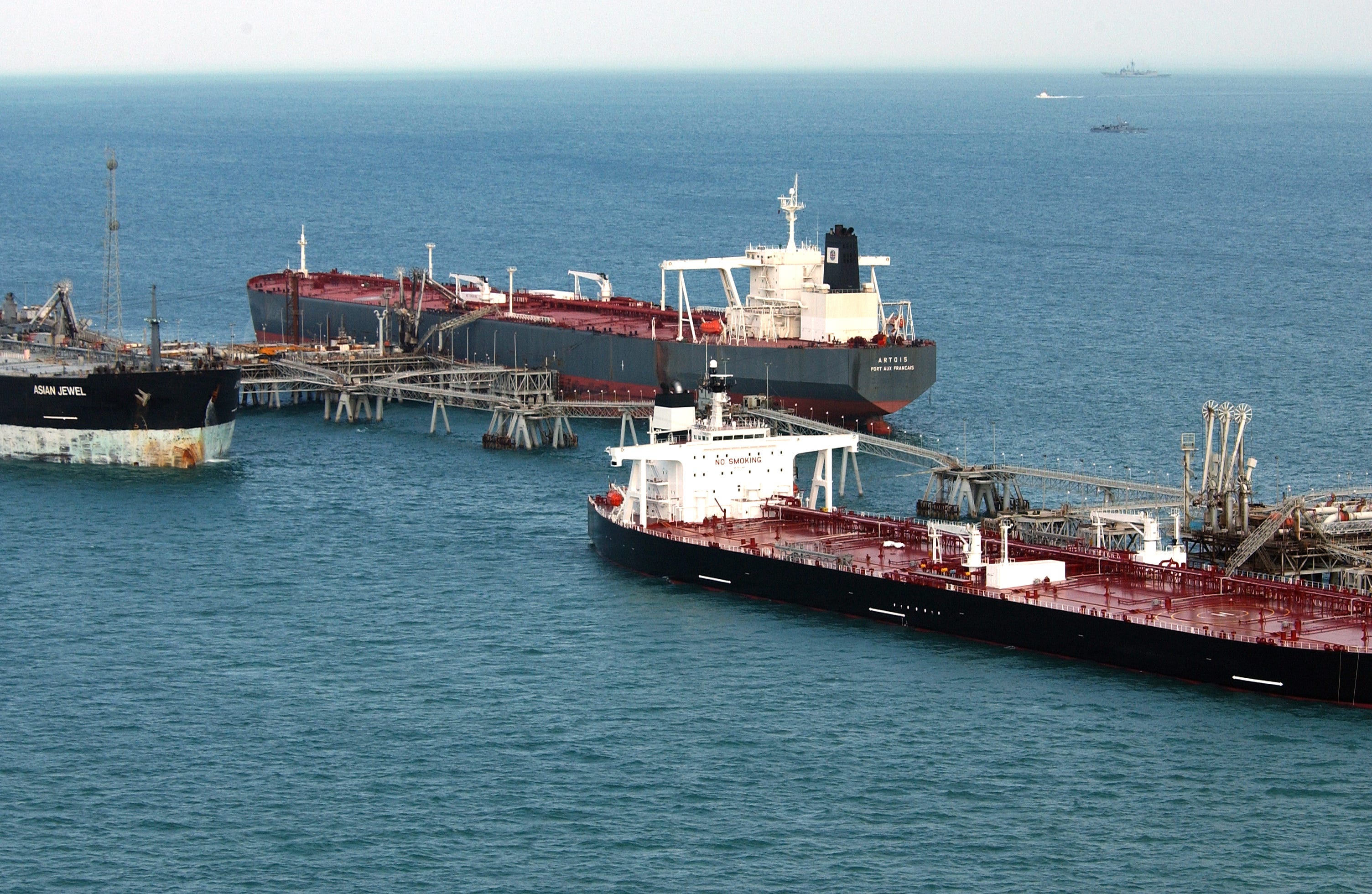
Abu Dhabi National Oil Company has bought millions of barrels of discounted Iraqi crude through its trading arm, Reuters reported, citing three people familiar with the matter. Two Iraqi energy sources said ADNOC was the largest lifter of Iraqi crude in August and September.
One source said ADNOC agreed to buy 32 million barrels for August at discounts of $24.90 to $27 a barrel. A second source said Iraq’s State Organisation for Marketing of Oil allocated that volume, but ADNOC lifted 20 million barrels because export constraints and shortages at Basra Oil Company restricted supply.
For September, the first source put the agreed volume at 40 million barrels: 10 million at an $18 discount and 30 million at a $25 discount. Those discounts would total $930 million if ADNOC lifted every barrel, before freight, financing, quality differences and other costs.
The second source said ADNOC had lifted 14 million barrels so far in September. A third described a separate purchase of about 20 million barrels for loading between September and October.
The distinction matters. Reuters’ sources describe agreed, allocated and lifted barrels, rather than one completed 72-million-barrel purchase. Even on the lower figures, ADNOC is using its trading operation to buy distressed regional supply while Iraq restores exports cut earlier in the war.
Buying the barrels addresses the immediate shortage. Reducing the risk that created the discount is harder.
Gulf states test diplomacy
The American military presence has not prevented Iranian retaliation against US partners in the Gulf, the New York Times reports. Gulf governments are exploring direct talks with Tehran to reduce the risk.
The UAE’s commercial and diplomatic responses now run in parallel. ADNOC is buying barrels displaced by the conflict while Abu Dhabi maintains enough contact with Iran to protect trade, shipping and the Strait of Hormuz. The US remains the Gulf’s main security partner; direct diplomacy gives the UAE another way to limit its exposure.
The war is also hitting Dubai’s airlines, hotels and insurers.
Dubai targets travel warnings
The UAE is asking foreign governments to remove it from their travel-warning lists as Dubai’s tourism sector recovers, Bloomberg reports. Dubai welcomed 869,000 international overnight visitors in August, its strongest month since the war began in late February. Hotel occupancy rose from 36% in March to 66% in August.
The recovery remains incomplete. August occupancy stood at 89% of its level a year earlier.
Issam Kazim, chief executive of the Dubai Corporation for Tourism and Commerce Marketing, said easing the warnings would help with insurance and encourage foreign airlines to return. Travellers may be willing to return before insurers, foreign ministries and international carriers do.
As visitors return, the routes carrying Gulf oil remain exposed.
Saudi pipeline timing splits
US Energy Secretary Chris Wright said Saudi Arabia’s East-West pipeline would restart within days after a drone attack forced its closure. Other reporting says repairs could take several weeks, and Saudi Aramco had not published a timetable by Tuesday evening.
The disruption widened on Tuesday. Shipping sources told Reuters that Saudi Arabia had suspended oil loadings at its Red Sea terminal in Yanbu, while some European buyers were told that late-September cargoes would be cancelled. Brent rose nearly $3 to trade above $108 a barrel during the US session.
The East-West line carries Saudi crude from the eastern oilfields to Yanbu and avoids the Strait of Hormuz. Until Riyadh confirms a restart, the outage puts more pressure on exports through Hormuz and on the UAE’s route to Fujairah.
Even as oil routes remain disrupted, Dubai’s airlines are rebuilding passenger traffic.
Emirates adds Jaywan payments
From today, Emirates customers can use Jaywan, the UAE’s national card scheme, to book flights from Dubai on emirates.com or at Emirates retail stores. The airline will accept Jaywan Royal Debit, Prestige Debit and Prepaid cards, with discounted fares across all cabins and most fare types for eligible bookings.
Emirates Skywards has also opened a double-Miles offer on eligible Emirates and flydubai flights. Members must register and book by 30 September and complete travel by 30 November.
Emirates is changing how customers pay as flydubai adds another route.
Flydubai starts Bangkok route
Flydubai began twice-daily flights on Tuesday between Dubai International Terminal 3 and Bangkok’s Don Mueang airport. Bangkok is its second destination in Thailand after Krabi, taking the airline’s Thai schedule to 28 flights a week.
The return of international travel also shapes the UAE’s winter flu campaign.
Flu campaign widens
The UAE has added school pupils and Hajj and Umrah travellers to the priority groups for its 2026–27 seasonal flu campaign. Other priority groups include pregnant women, children aged six months and over, older people, patients with chronic illnesses and healthcare workers. The campaign runs until 31 March 2027.
Health officials are looking ahead to winter. At the Arab Media Summit, Ahmad Al-Sharaa warned about the more immediate risk of regional escalation.
Al-Sharaa warns of escalation
Syrian President Ahmad Al-Sharaa told Euronews at Dubai’s Arab Media Summit that regional escalation seemed likely, but urged governments to remain calm and work together. He said Syria needed stability after decades of destruction and war.
Elsewhere in government, Sheikh Mohamed made a senior Interior Ministry appointment.
Interior Ministry appointment
President Sheikh Mohamed bin Zayed has appointed Brigadier Dr Ali Abdullah bin Daan Al Ghafli as secretary-general of the Office of the Minister of Interior. The federal decree gives him the rank of ministry undersecretary.
Watch today
ADNOC and Iraq: any comment on Reuters’ figures, further tanker liftings or new tenders from Iraq’s State Organisation for Marketing of Oil.
East-West pipeline: confirmation from Saudi Aramco or the Saudi Energy Ministry of a partial or full restart, and whether Yanbu loadings resume.
Travel warnings: changes by foreign governments and return dates from international airlines that have suspended UAE services.
AD Ports: L’IMAD’s AED 6.25-a-share offer closed at 15:00 on Tuesday. The result is due today unless the offer is extended.
Gulf tourist visa: a firm launch date, fee or application process. The Gulf Cooperation Council still says only that the permit will launch “soon”.
Last Wednesday we filled a room at the National Liberal Club to ask what the widening Gulf conflict changes about the UAE, and about Britain’s relationship with it. David Waddell of BBC News chaired, with Michael Stephens of RUSI, James Swanston of Barclays and Sir Oliver Dowden MP. You can watch the full recording here:
Thank you for reading Emirates Wire. If you have a story, a tip or a perspective that belongs in these pages, write to me at steve@emirateswire.co.uk. The best briefings usually begin with somebody telling me what everyone else has missed.
I’d better sign off before the wires produce another lead. I’ll be back tomorrow. Until then, have a good Wednesday.
— Steve
Steve Moore
Emirates Wire · launched 9 September 2026 at the National Liberal Club, London
emirateswire.co.uk · steve@emirateswire.co.uk
AI tools help with research aggregation and early drafting. I check every fact against primary sources, and I read and approve every sentence before it goes out. I don’t publish anything I haven’t personally stood behind.